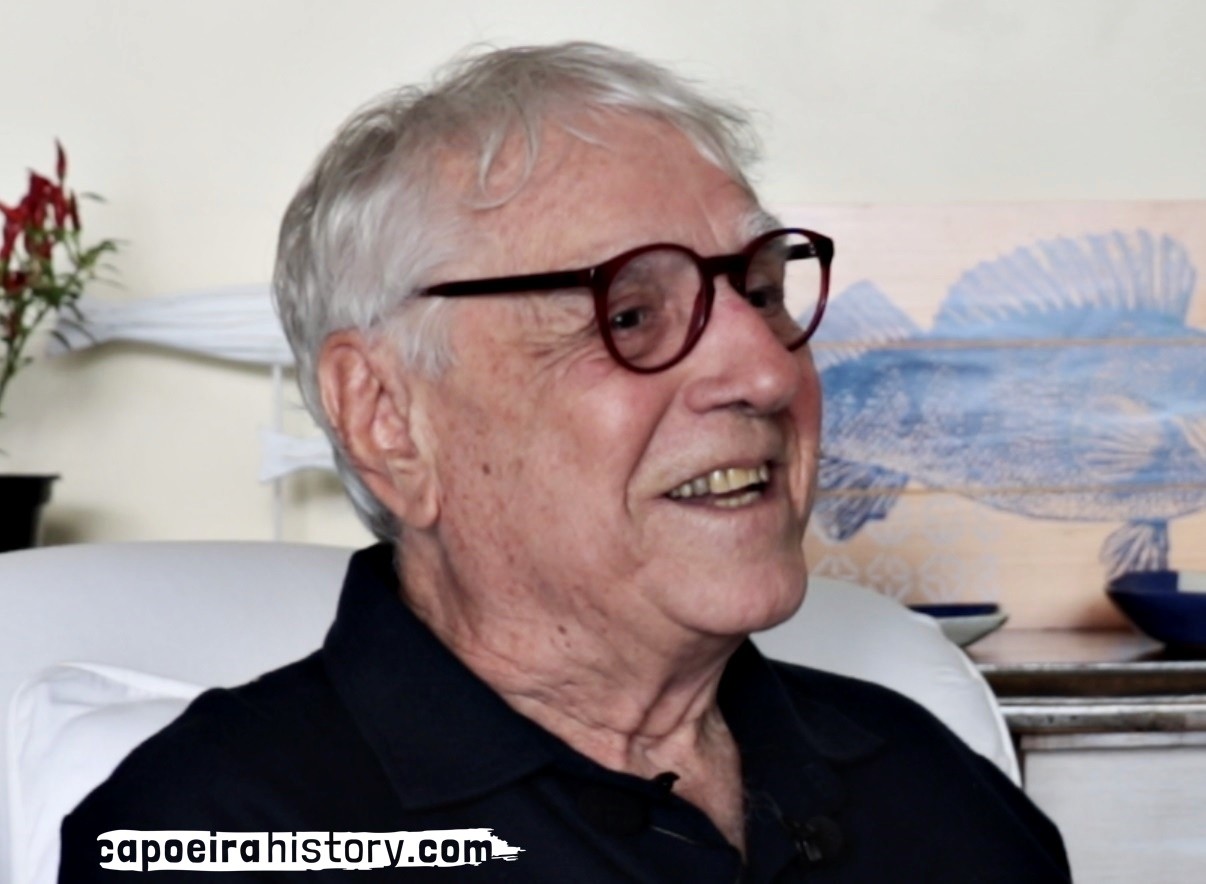
Author of Capoeira sem Mestre, the first bestseller on capoeira in the 1960s, and the organizer of the Atlas of Sport in Brazil, Professor Lamartine is dedicated to disseminating knowledge in the various areas of physical education.
Matthias Röhrig Assunção (07 October 2022)
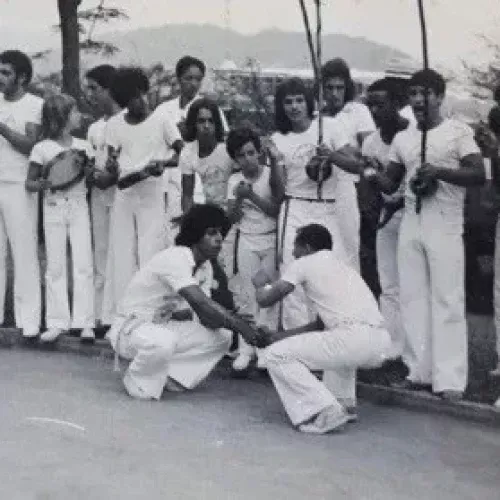
Professor Lamartine Pereira da Costa was born in 1935, in Rio de Janeiro, into an Azorean family spread over several countries. At the age of 16 he entered the Naval College, and then began studying Operational Engineering at the Navy’s High School (Escola Naval da Marinha). More motivated by sports than by engineering, he ended up transferring to the Physical Education School of the Army. He also started practicing capoeira with Mestre Artur Emídio and his disciple Djalma Bandeira. His fascination for capoeira led him to visit the most famous masters in Bahia and also to promote capoeira among soldiers and marines.
As from March 1961, the then lieutenant Lamartine, from the School of Physical Education, started to administer a course on the “methodology of teaching capoeira,” with the assistance of his master Artur Emídio and Djalma Bandeira. According to the newspaper Jornal do Brasil, in an article dated April 9, 1961, Lamartine taught classes to 208 officers and enlisted men at the Navy Sports Centre. The objective was to “train capoeira monitors, who would propagate the practice of capoeira in all Navy establishments, in particular the Navy’s air force.”
Notice published in the “Apito Final” column of Revista do Esporte (issue no. 178, 1962), announced the release of the book Capoeira Sem Mestre. Source: Hemeroteca da Biblioteca Nacional.
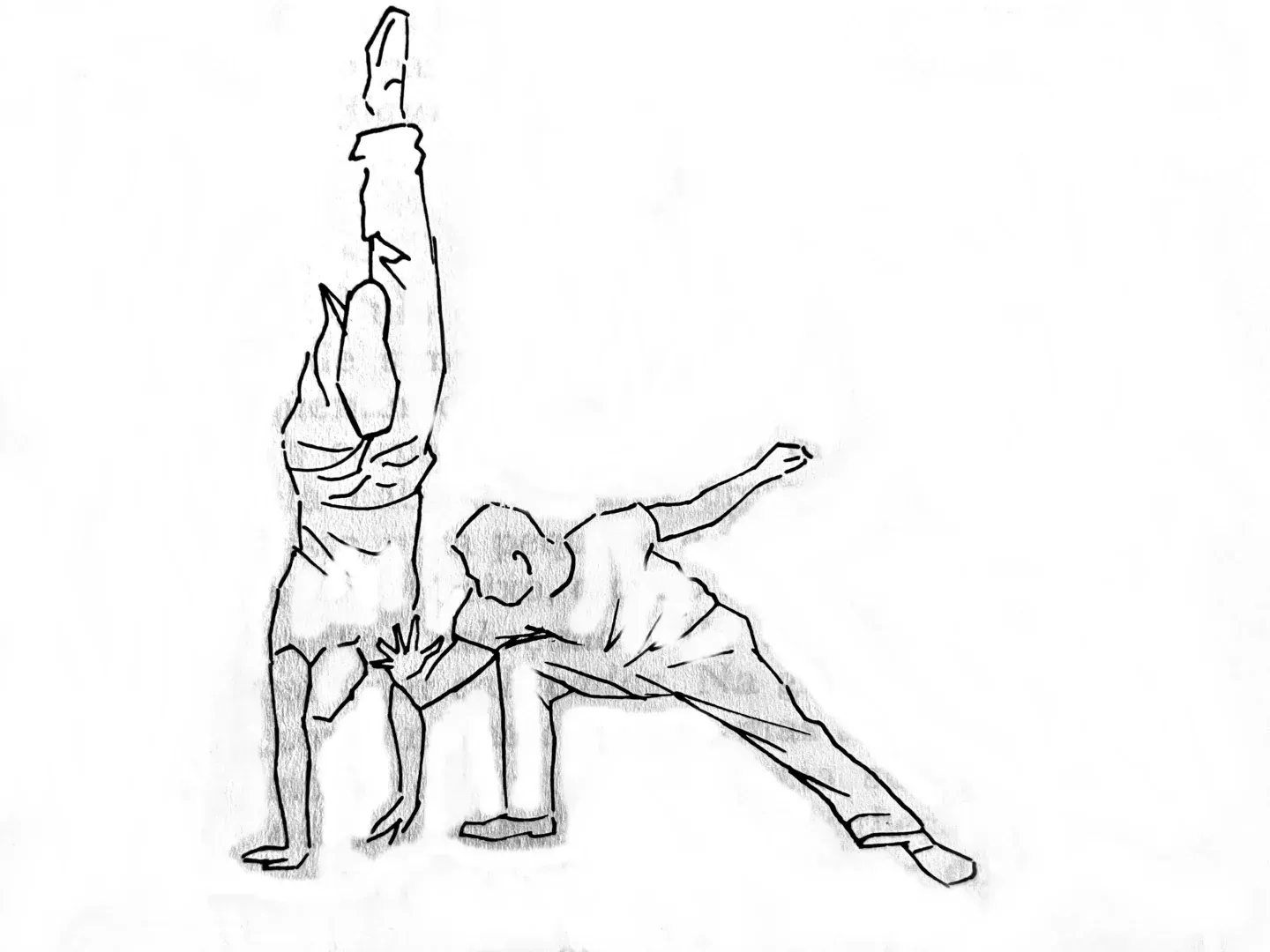

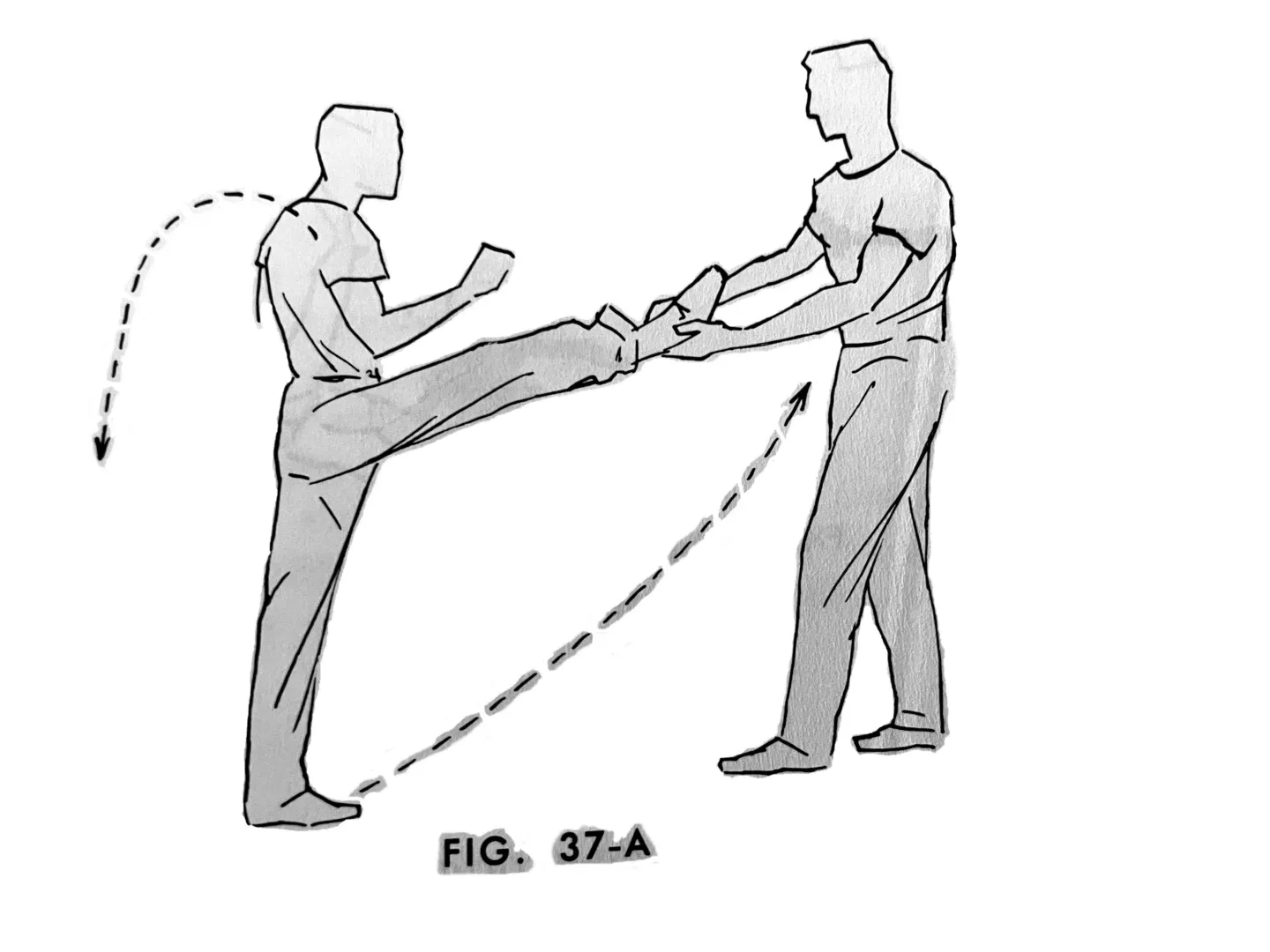

The first edition, entitled Capoeiragem. The Brazilian art of self-defence, was published in 1961 and was still of quite artisanal making. The publishing house Tecnoprint financed a new edition soon after and decided to change the title to Capoeira sem mestre (1962), following a common editorial line at the time.
The new title and the contents of the book did not fail to raise polemics. Many capoeira masters from Bahia who defended the traditional method of teaching criticised a capoeira learned without any master having personally passed on the fundamentals of the art. Nevertheless, the book sold thousands of copies and was re-edited in 1964, 1968 and 1970. Thus it played a very important role in the dissemination of capoeira throughout Brazil during the 1960s and 1970s.
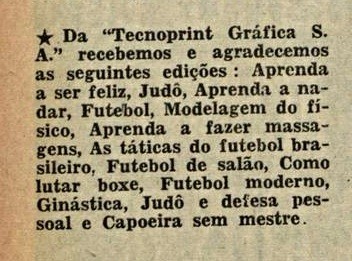
A notice published in the “Apito Final”, column of Revista do Esporte (issue no. 178, 1962) announced the release of the book Capoeira Sem Mestre. Source: Hemeroteca da Biblioteca Nacional.