The Military Use of Capoeira: Myths and Realities Regarding the Paraguayan War (1864–70).
By Carlos Caso Bustillo
This blog summarises an article by the author published in Revista de Artes Marciales Asiáticas, Vol. 20(2), 2025.
1. Introduction
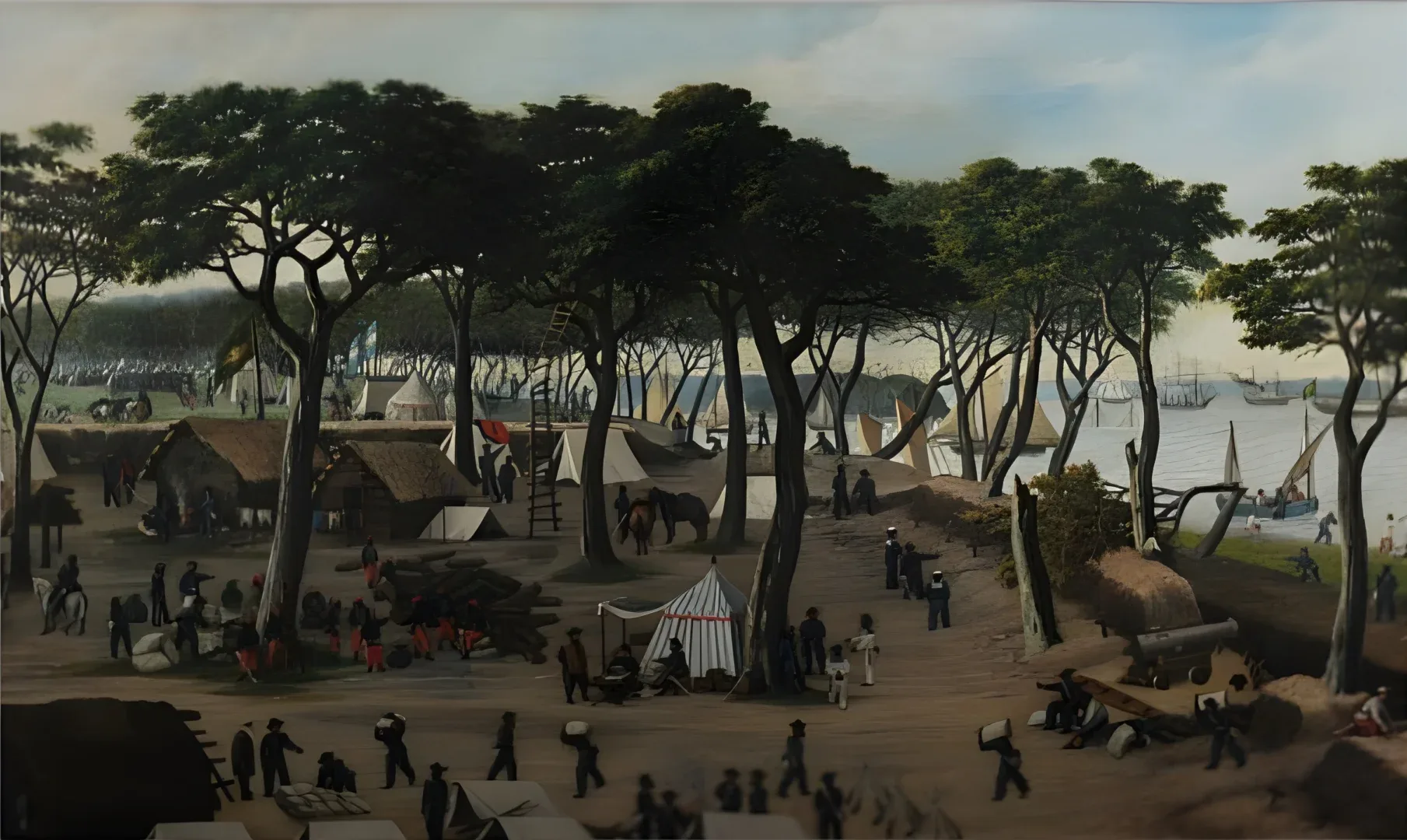
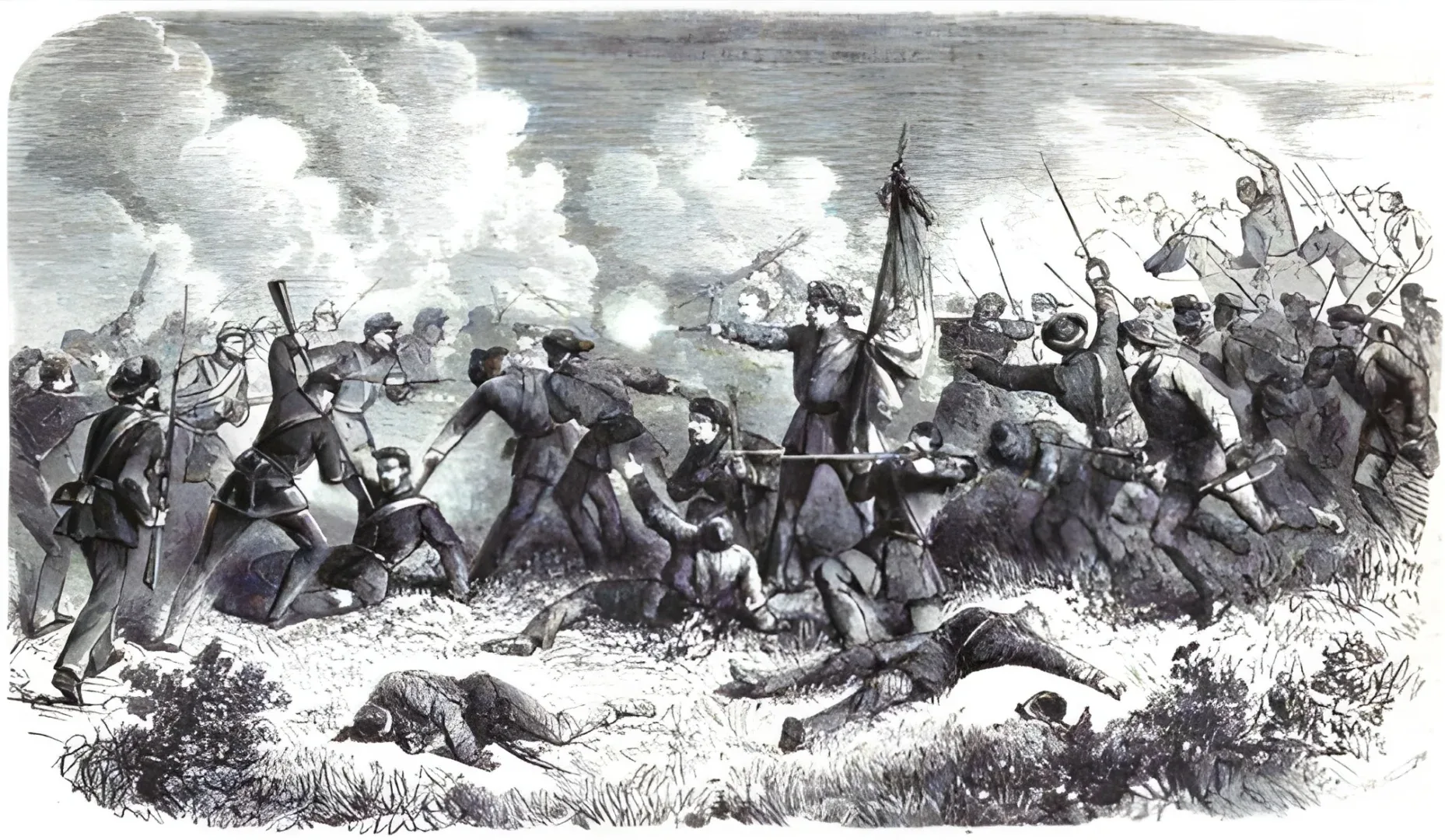
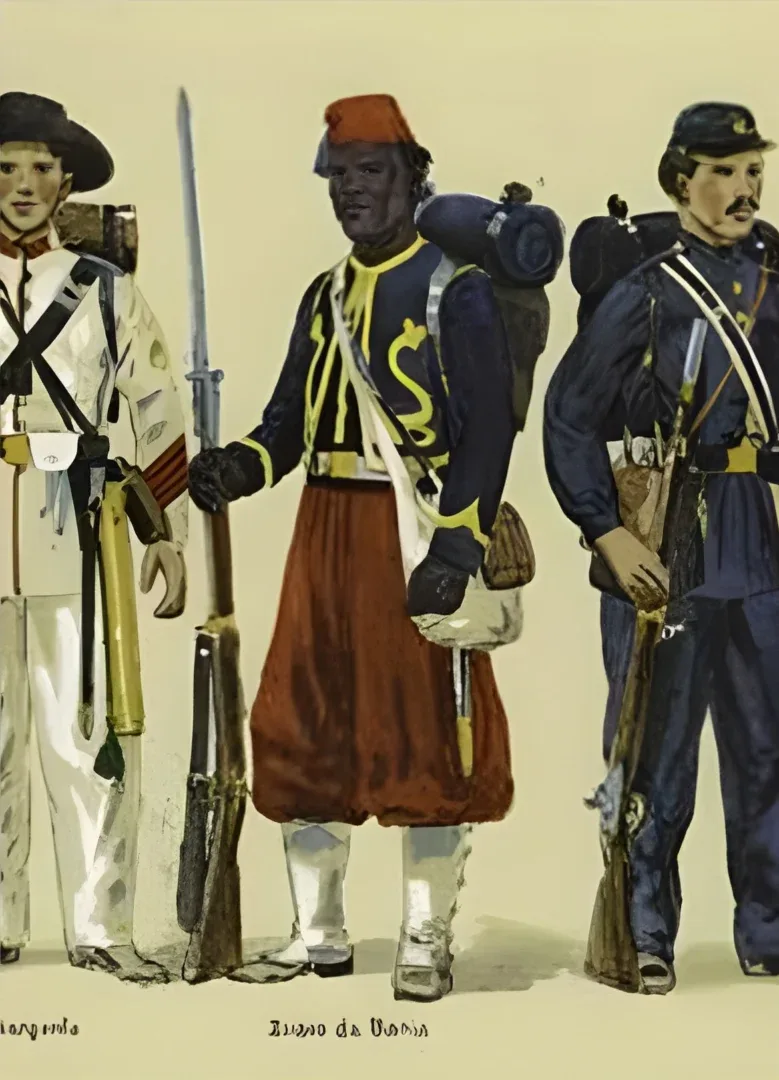
Who was there? The Voluntários da Pátria and the Bahian Zouaves drew from popular and Afro‑descendant sectors: prisoners, manumitted slaves, people from the streets. Not because the Army sought “martial artists,” but because that’s how recruitment worked. Doesn’t that imply a high statistical likelihood of finding capoeiras at the front, with urban‑violence habits (knife, cabeçada/headbutt, kicks) well documented in the nineteenth‑century press?
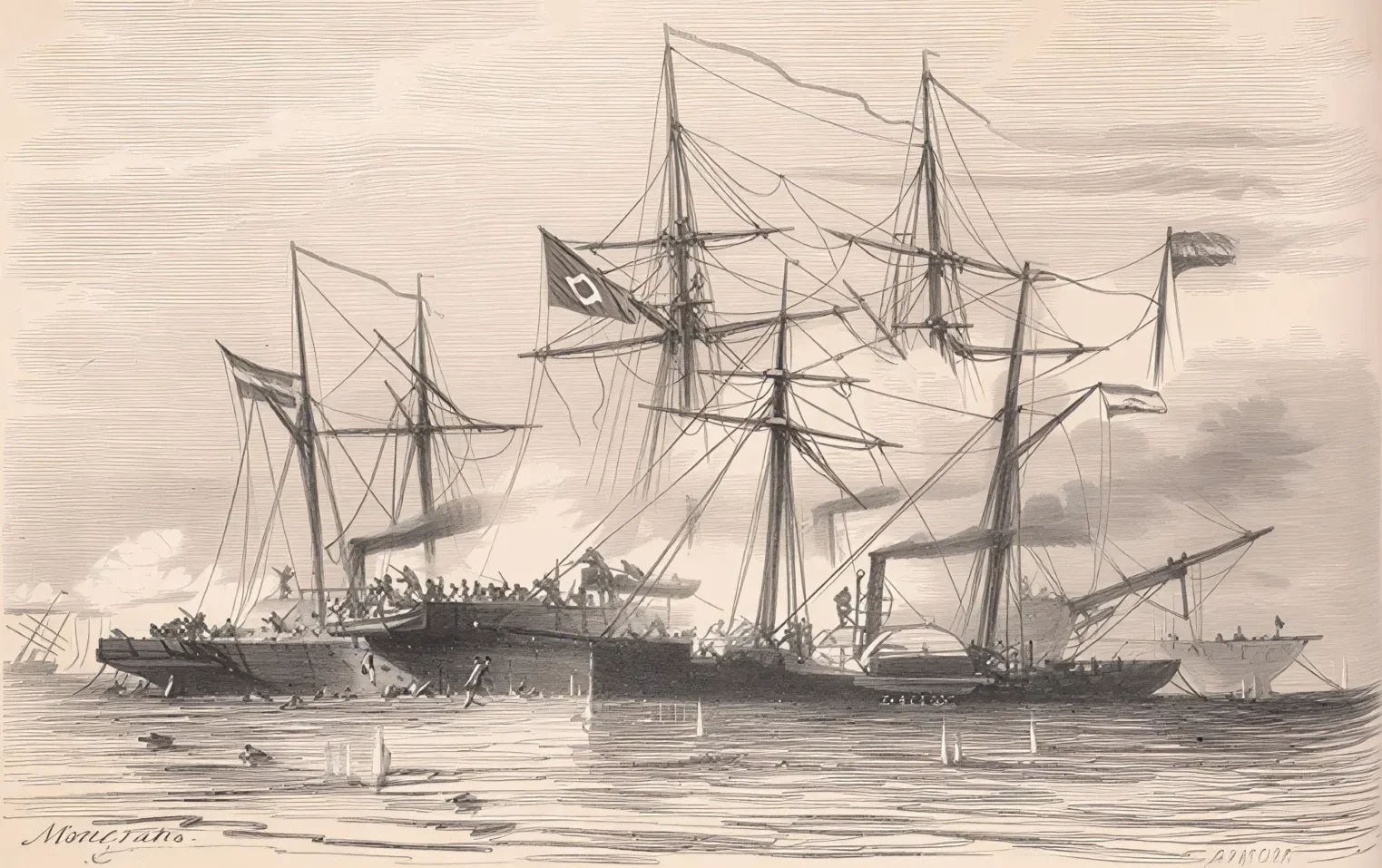
Were there proper names? Sergeant Marcolino José Díaz appears agile and decisive at Curuzú; sailor Marcílio Dias fights to the death at Riachuelo. Did they use “capoeira” in the strict sense? We cannot assert it, but body profile, collision dynamics, and sabre/bayonet fighting fit capoeiristic skills. And the culture of the time already imagined it: satirical tales mention headbutts during boarding, songs allude to the war. Isn’t that a subaltern memory that connects capoeiragem to close combat?
And technical effectiveness? When we compare the bênção with codified front kicks (karate, taekwondo, muay thai), timings and angles are analogous; impact forces estimated for combat front kicks place the bênção within a plausible range. Doesn’t that suggest that, without being official doctrine, it could work where battle became short, mobile, and surprising?
2. Objectives and Methodology
The article’s main goal is twofold: to determine whether capoeira could have been used in the Paraguayan War and to assess whether its techniques were effective in a 19th-century battlefield context. To achieve this, the author adopts an interdisciplinary methodology. On one hand, he conducts a qualitative analysis of historical, hemerographic, and testimonial sources, including memoirs, chronicles, songs, and period newspapers. On the other, he incorporates a comparative component examining the biomechanics of capoeira movements against techniques from other martial arts and military systems.
The selection of sources is broad and diverse: classic and contemporary studies, official documents, academic articles, and thirty hemerographic references offering clues about recruitment, combat, and cultural representations. This combination allows readers to understand not only the military context but also the social and symbolic dimension of capoeira in 19th-century Brazil. The article anticipates that direct evidence is scarce but suggests that the accumulation of clues can provide a plausible, though not conclusive, picture.
3. Thematic Development and Key Cases
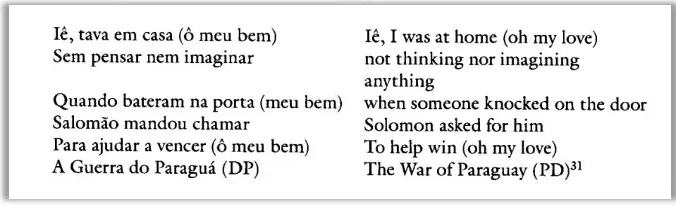
The first section analyzes the historical narrative linking capoeira and war. It begins with Manuel Querino, who mentioned names of soldiers allegedly practicing capoeira and participating in battles. From there, it traces how other authors reproduced or reinterpreted this version and how traditional songs and oral accounts reinforced the idea of an active presence of capoeiras in the conflict. The text also examines the hypothesis of forced recruitment, supported by the decline in arrests for capoeira during the war’s most intense years.
The study situates these discussions within the tactical context of the campaign: a prolonged war marked by logistical shortages and close-quarters combat after ammunition ran out. Against this backdrop, the article introduces emblematic cases that fed the national imagination, such as the Bahian Zouaves—units composed of Black men and marginalized sectors—and figures like Marcolino José Díaz and Marcilio Días, traditionally associated with capoeira. Without revealing every detail, the text hints at episodes like the capture of Fort Curuzú and the naval battle of Riachuelo, where extreme proximity may have opened space for martial skills.
4. Implications and Closing
The second section addresses the technical question: could 19th-century capoeira techniques work in real combat? The article describes characteristic movements such as the cabeçada (headbutt) and the bênção kick and explores their potential through comparisons with codified martial arts. Without turning the text into a manual, the author shows that certain parameters—execution time, angle, and force—are comparable to those of disciplines like taekwondo or karate, suggesting plausible effectiveness in close-range scenarios. This approach adds an innovative dimension to the debate, combining history and movement science.
The conclusions do not close the topic but broaden it. The article confirms the likely presence of capoeiras at the front and the plausibility that they applied their skills in extreme situations, while ruling out any official tactical instruction. Beyond battlefield evidence, the text reveals how this narrative helped redefine capoeira: from a marginal, criminalized practice to a symbol of Afro-Brazilian resistance and national heroism. In doing so, it invites readers to reflect on the relationship between myth, memory, and identity construction. Was capoeira a weapon in war or a resource for history? The article does not offer simple answers but provides a documented journey worth reading.
Carlos Javier Caso Bustillo (Spain). Bachelor’s degree in History and Anthopology, Master´s Degree in Military History. Researcher in the following areas: New methodologies for History in the digital age, Public History, Social media as spaces for scientific debate and Military History. Previous academic publications: “A methodological proposal for the academic use of Twitter in the context of public history”. He is currently working on the Spanish Navy in the 18th century.
References
Querino, M. A Bahia de outrora (vultos e factos populares). Livraria Progresso, 1955. https://archive.org/details/querino-bahia-de-outrora-ocr.
Rego, W. Capoeira Angola: Ensaio sócio-etnográfico. Editorial Itapuá, 1968. https://www.capoeirashop.fr/img/cms/Waldeloir%20Rego%20Capoeira%20Angola+capa.pdf.
The image research is by the author.